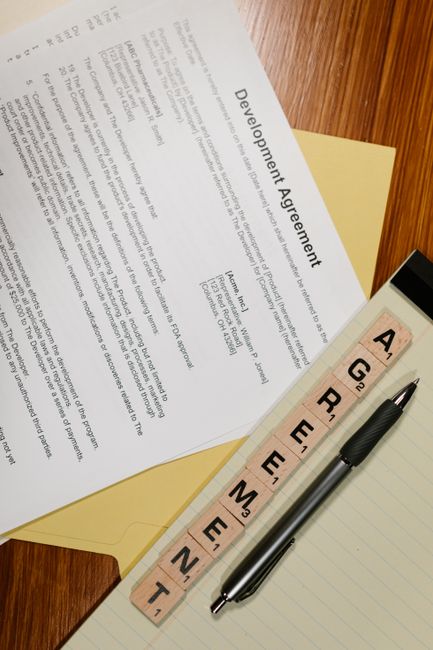
What to ask Neasden gardeners before signing a contract
Choosing a gardener should feel reassuring, not risky. Yet plenty of homeowners in Neasden sign a contract too quickly, only to discover that the quote was vague, the work scope was fuzzy, or the timing was not what they expected. If you are comparing local gardeners and want to know what to ask Neasden gardeners before signing a contract, you are already doing the smart thing.
This guide breaks down the questions that matter most, why they matter, and how to spot a good fit before you commit. It also covers pricing, insurance, service standards, garden waste, scheduling, and the small contract details that can save you a lot of grief later. Truth be told, the best time to ask awkward questions is before anyone has lifted a spade.
One practical note before we begin: if you are still comparing services, it can help to review the company's services overview and pricing and quotes information first, so your questions are sharper and more specific.
Table of Contents
- Why asking the right questions matters
- How the contract discussion usually works
- Key benefits of asking before you sign
- Who this is for
- Step-by-step guidance
- Expert tips for better results
- Common mistakes to avoid
- Tools, resources and recommendations
- Law, compliance, standards and best practice
- Options and comparison table
- Case study or real-world example
- Practical checklist
- Conclusion
- Frequently asked questions
Why asking the right questions matters
Gardening work can look simple from the outside. Mow a lawn, trim a hedge, clear some beds, maybe tidy the borders. But once you start discussing a real job, the details matter fast. Does the quote include waste removal? What happens if weather delays the visit? Is the gardener bringing tools, fuel, and disposal bags? Are they working to a one-off plan or a recurring maintenance schedule?
These are not small points. They affect cost, timing, mess, communication, and whether the garden ends up exactly how you imagined. In a place like Neasden, where gardens can vary from compact back yards to larger family plots, a clear agreement saves everyone time. It also protects trust. You want to know who is responsible for what, and the gardener should be able to explain that without wriggling out of the answer.
There is also a simple reality here: a written contract is only as good as the conversation behind it. If the conversation is weak, the paperwork will be weak too. That is the bit people forget. A decent gardener will usually welcome specific questions, because it shows you know what you want and you are serious about the work.
Expert takeaway: the best contract is clear before it is signed. If a gardener cannot explain the scope, timing, exclusions, and costs in plain English, pause and keep looking.
How the contract discussion usually works
Most gardening jobs begin with an enquiry, a site visit or photo review, and a quote. After that comes the bit many people rush: the contract or written agreement. This may be a formal document, a service agreement, or a quote with terms attached. Whatever shape it takes, it should define the work, the price structure, and what happens if plans change.
A good gardener will typically walk you through:
- what tasks are included
- how often the work will happen
- what materials or waste disposal are included
- how much notice is needed for changes
- how payment is handled
- what happens if additional work is discovered
For example, a gardener might quote for hedge trimming, but the actual job may reveal a lot of dead material, difficult access, or extra green waste. If those possibilities are discussed up front, there is less chance of an uncomfortable surprise later. If not, you may end up in that awkward "well, I thought it was included" conversation. Nobody enjoys that one.
It also helps to understand whether you are booking a one-off visit or an ongoing arrangement. A one-off tidy-up, such as a garden clearance or seasonal reset, has different expectations from weekly lawn mowing or regular maintenance. If you need recurring care, review the service style on garden maintenance and lawn mowing so your questions match the kind of service you actually need.
Key benefits of asking before you sign
Asking the right questions does more than protect your budget. It improves the whole experience. A clear conversation helps you judge professionalism, spot hidden costs, and understand whether the gardener is the right fit for your property and priorities.
- Better price clarity: you know what is included and what counts as extra.
- Fewer misunderstandings: both sides are aligned on scope and timing.
- Safer working practices: you can confirm insurance, access needs, and safety measures.
- Better garden outcomes: the work is more likely to be completed to the standard you expect.
- Stronger trust: you get a feel for whether the gardener is straightforward or evasive.
There is also a quieter benefit: confidence. Once you have asked the right questions and received solid answers, you can relax a bit. You are not staring at the first invoice wondering what "general labour" was meant to cover. You know. That matters.
Who this is for and when it makes sense
This guide is for anyone hiring a gardener in Neasden who wants less guesswork and better value. That includes first-time buyers, busy families, landlords, property managers, elderly homeowners, and people preparing a garden for a sale or a move.
It makes especially good sense when:
- you are comparing more than one gardener
- the garden has overgrown areas or awkward access
- you need specialist work, such as tree lopping or heavy clearance
- you want regular visits rather than a one-off job
- you have a fixed budget and need to avoid scope creep
- you are not sure which services you actually need yet
If your project is more than basic upkeep, it may help to look at related services such as garden clearance, hedge trimming, tree lopping and removal, or landscaping before you speak to a contractor. Knowing the service category makes the contract discussion much cleaner.
Step-by-step guidance
Here is a practical way to handle the conversation, without making it feel like an interrogation.
1. Start with the scope of work
Ask exactly what the gardener is going to do. Not in general terms, but item by item. For example: mow the front and back lawn, edge the borders, remove clippings, clear weeds from paths, and cut back the hedge to a certain height. The more precise you are, the better the quote will be.
If you are unsure how to describe the job, send photos or invite a visit. A quick walk-around often reveals things a message thread misses, like a narrow side gate, uneven paving, or a hidden patch of brambles that looks harmless from the patio but is basically a jungle in disguise.
2. Ask what is included in the price
This is the question that saves people most often. Ask whether the price includes labour, tools, fuel, waste removal, and any materials. If the work involves decking, planting, new borders, or remedial repair, ask what would be treated as extras.
For pricing clarity, it is worth reading the company's pricing and quotes information. It can help you understand how estimates are framed and what sort of information you should provide.
3. Confirm timing and availability
Do not assume the first available date is fixed. Ask when the team can start, how long the job should take, and what happens if weather delays the work. Gardening in London is weather-sensitive; a wet morning can change a whole schedule, especially for lawn care, hedge cutting, or clearance work.
Also ask whether the visit will be part of a recurring schedule or a one-off appointment. If you need regular work, say so early. It saves a lot of back-and-forth later.
4. Check who will actually do the work
It sounds obvious, but it is worth asking whether the person quoting is the person doing the job, or whether a team will arrive instead. You should also ask how many people will attend. For larger jobs, that affects timing, access, and the overall feel of the service.
5. Ask about insurance and safety
Good gardeners should be able to explain how they manage risk on site. Ask about liability cover, equipment handling, and what happens if something gets damaged. If the work involves ladders, saws, heavy waste, or awkward access, that conversation is even more important.
You can also review the company's insurance and safety and health and safety policy pages if you want to understand their approach in more detail.
6. Discuss waste removal and recycling
Clippings, branches, soil, and clearance waste can add up quickly. Ask whether waste is removed, where it goes, and whether there is an extra charge for heavy loads or mixed waste. If sustainability matters to you, ask how the gardener handles recycling and greener disposal methods.
That is a useful moment to look at recycling and sustainability. It can help shape the conversation, especially if you want a tidy garden without unnecessary landfill waste.
7. Confirm payment terms
Ask when payment is due, which methods are accepted, and whether any deposit is required. You should also ask what happens if the work changes after the contract is signed. This is not about mistrust. It is just basic clarity. People often forget this bit until the invoice arrives, and then it suddenly matters a lot.
For security and process detail, a quick look at payment and security can be reassuring.
8. Get changes in writing
If the gardener agrees to extra tasks, a revised schedule, or a different price, ask for the update in writing. A text message is better than memory. An email is better than a text. A signed adjustment is better than both. Nice and simple.
Expert tips for better results
In our experience, the best customer conversations are calm, specific, and slightly curious. You do not need to be formal, but you should be precise. Here are a few habits that improve outcomes.
- Use photos before the quote: front, back, side access, and problem areas.
- Describe your ideal finish: neat and low-maintenance, or fuller and more natural.
- Ask about seasonal variation: spring and summer work often differs from autumn clearance.
- Confirm access arrangements: gates, parking, shared paths, pets, and neighbour boundaries all matter.
- Keep a short written summary: one page is enough if the job is straightforward.
One small but useful tip: ask the gardener what they would do first if the garden were theirs. That question often reveals a lot. You may hear practical advice about priority areas, drainage issues, or the order in which tasks should happen. It is a conversational question, not a test, and it can tell you whether you are dealing with someone who really understands the garden, not just the invoice.
If you are planning a bigger redesign rather than maintenance, it is also sensible to compare approaches through landscape gardening and decking services. The more specialist the work, the more important the contract detail becomes.
Common mistakes to avoid
Most problems with gardening contracts are avoidable. They usually come from vague wording, rushed decisions, or assuming the gardener will "just know" what you mean.
- Signing before the scope is clear. If the written agreement does not list the work, pause.
- Ignoring waste disposal. Green waste can be a major part of the job.
- Not asking about extras. Travel charges, materials, or access complications can change the final bill.
- Forgetting ongoing visit terms. If the contract rolls on, make sure notice periods are clear.
- Choosing only on price. The cheapest quote can be fine, but not if it quietly excludes half the job.
- Failing to confirm insurance. It is a basic question, and a reasonable one.
Another common slip is assuming all gardeners offer the same type of service. They do not. Some focus on maintenance, some on clearance, some on design and transformation. Reviewing the right service page, such as garden maintenance or services overview, helps prevent that mismatch before it starts.
Tools, resources and recommendations
You do not need fancy software to make a good decision. A notebook, a camera phone, and a clear list of priorities will do just fine.
Here is a simple set of tools and resources that helps before signing:
- Photos: take wide shots and close-ups of problem areas.
- A rough garden sketch: useful if the space has multiple zones.
- A shortlist of priorities: for example, safety, appearance, low upkeep, or seasonal tidy-up.
- Written quote comparison: keep each quote in a separate note so the wording does not blur together.
- Service pages: use the website's own information to understand the service mix before calling.
For more specific work, it can help to review hedge trimming, lawn mowing, and tree lopping and removal so your request is accurate. If you are dealing with a neglected garden, garden clearance may be the better starting point than maintenance.
Law, compliance, standards and best practice
Not every gardening contract is heavily regulated, but that does not mean standards do not matter. In the UK, it is wise to expect clear written terms, honest pricing, sensible safety practices, and responsible handling of personal data and payments. If a gardener is working with tools, ladders, power equipment, or waste removal, basic safety and insurance should not be treated as optional extras.
For homeowners, the practical rule is simple: ask whether the gardener has appropriate insurance, how they manage risks on site, and what their process is if something is damaged or a job changes. Best practice also means clear cancellation terms, payment terms, and complaints handling. Those details should not be hidden in tiny print that nobody reads until things go wrong.
If you want to understand how a contractor approaches trust and accountability, it can be helpful to review pages such as complaints procedure, terms and conditions, and privacy policy. They are not exciting reading, granted. But they tell you a lot about how the business expects to work with customers.
There is also a wider best-practice point around environmental handling. Responsible disposal of green waste and pruning debris is not just tidy; it is a sign of care. A gardener who thinks about recycling and sustainability is often thinking clearly about the whole job, which is exactly what you want.
Options, methods, or comparison table
Before you sign, it helps to compare the type of arrangement you are being offered. A contract for weekly maintenance is not the same thing as a one-off clearance or a design-and-build project. Different jobs need different questions.
| Type of gardening job | What to ask first | Main risk if you do not ask |
|---|---|---|
| One-off garden tidy | What exactly is included, and will waste be taken away? | Paying for a tidy-up that leaves debris behind |
| Regular maintenance | How often will visits happen, and what tasks are repeated? | Unclear expectations about ongoing care |
| Hedge or tree work | What height, shape, and waste removal are included? | Disagreement over finish and safety responsibilities |
| Clearance work | How much waste is expected, and are there access or disposal charges? | Hidden extras and longer job time |
| Landscaping or decking | What materials, prep work, and finish standards are included? | Scope creep and mismatched expectations |
As a rule of thumb, the more complex the job, the more you should ask in writing. Simple. Not always easy, but simple.
Case study or real-world example
A homeowner in Neasden wanted a front and back garden reset before spring. On the surface, it looked like a modest job: mow the grass, cut back the hedge, clear some weeds, and remove a pile of branches near the fence. The first quote sounded fine, but the gardener had not specified waste removal, and the homeowner assumed it was included. That assumption would have been expensive.
Before signing, the homeowner asked a few direct questions: Was the waste being taken away? Would the hedge be reduced in height or just tidied? Was the price fixed if the team found more debris than expected? How many visits would be needed? The answers changed the picture. It turned out the garden needed a proper clearance phase first, then a maintenance plan after that.
The result was better for everyone. The gardener quoted accurately, the homeowner understood the sequence, and the work went ahead without a last-minute argument about clippings, access, or extra charges. Nothing dramatic, just the sort of calm outcome people rarely talk about because, well, calm outcomes are not very flashy. But they are lovely when they happen.
Practical checklist
Use this checklist before you sign anything.
- Have I confirmed the exact scope of work?
- Do I know what is included in the quoted price?
- Have I asked about waste removal and disposal?
- Do I understand the timetable and likely duration?
- Have I checked who will do the work and how many people will attend?
- Have I asked about insurance and site safety?
- Are payment terms and any deposit requirements clear?
- Have I asked what happens if extra work is needed?
- Are changes and add-ons recorded in writing?
- Do I know how complaints or issues would be handled?
If you can answer yes to most of those, you are in a much stronger position than most people who sign first and ask questions later.
Conclusion
Knowing what to ask Neasden gardeners before signing a contract is really about control, clarity, and peace of mind. You are not trying to be difficult. You are trying to make sure the work, the price, and the expectations line up properly. That is fair, and it is sensible.
The best gardeners will not mind careful questions. In fact, many will appreciate them, because they know that a good contract starts with a good conversation. Ask about scope, pricing, timing, safety, waste, and what happens if the job changes. Get the important points down in writing. Then you can move forward with less stress and a much better chance of getting the result you want.
Get a free quote today and see how much you can save.
If you are ready to explore a reliable, transparent approach, take a moment to review the company's about us page and then get in touch through the contact us page when you are ready. Sometimes the right next step is just a straightforward conversation.
Frequently Asked Questions
What are the most important questions to ask a gardener before signing?
Start with the scope of work, what is included in the price, how waste will be handled, when the job can begin, and whether the gardener has insurance. Those five cover most of the problems people run into later.
Should a gardening contract be in writing?
Yes, ideally. Even a simple written quote with terms is better than a verbal agreement. It reduces confusion about price, timing, and what happens if the job changes.
How do I know if a gardener's quote is fair?
Compare what each quote actually includes rather than only the final number. A cheaper quote can be poor value if it excludes waste removal, materials, or follow-up work.
Do I need to ask about insurance?
Absolutely. Ask whether they have suitable cover and how they manage safety on site. It is a normal, reasonable question for any home service.
What should I ask about garden waste?
Ask whether waste is removed, where it goes, and whether there is an extra charge for large or heavy loads. This is one of the most common places where misunderstandings happen.
How can I tell if a gardener is professional?
Professional gardeners usually answer clearly, explain exclusions, give realistic timings, and are happy to put the important points in writing. If answers stay vague, that is a warning sign.
What if the work turns out to be bigger than expected?
Ask in advance how extras are approved and priced. A good contract should say what happens if hidden issues or additional tasks appear once the work begins.
Is it better to hire for one-off work or ongoing maintenance?
It depends on your garden and budget. One-off work suits resets and clearance jobs, while ongoing maintenance works better if you want the garden kept tidy through the year.
Should I ask how many people will come to do the job?
Yes, especially for larger or time-sensitive work. The number of people attending affects how long the job takes and how the garden is managed on the day.
What if I want extra services like landscaping or decking?
Bring that up before signing. Specialist work needs a clearer scope than routine maintenance, and it is better to separate the phases if the project is broad.
Can I ask for changes after the quote is accepted?
Yes, but make sure any changes are confirmed in writing so both sides understand the revised scope and any price adjustment.
What is the biggest mistake people make with gardener contracts?
They assume the gardener means the same thing they do. A neat lawn, a cleared border, or a trimmed hedge can mean different things to different people, so detail matters more than people expect.