
Gardener Neasden: Recycling and Sustainability
Welcome to our dedicated page on recycling and sustainability for Gardener Neasden. This page explains how a local gardener in Neasden can run an eco-friendly waste disposal area and maintain a sustainable rubbish gardening area that supports borough-wide waste reduction goals. We combine practical steps, partnerships and transport improvements to create a low-impact gardening operation. Our approach balances everyday garden waste management with the ambitions of local authorities to improve recycling, composting and reuse across the community.Our Environmental Ambition and Recycling Percentage Target
We are committed to an ambitious recycling percentage target of 65% by 2030 for all gardening-related waste streams we handle in Neasden. That target covers green waste, compostable materials, wood, metals and suitable plastics from garden maintenance. As a Neasden gardener service provider we work to exceed current borough averages by increasing segregation at source, promoting home composting and diverting more material to reuse networks. Meeting this target also means continuous monitoring and reporting, plus seasonal campaigns to boost participation.
Segregation and the Borough's Approach to Waste Separation
The London boroughs around Neasden encourage strict waste separation: green bins for garden waste, mixed recycling for containers, and residual waste for non-recyclables. Our teams follow this model by providing labelled bags and bins, educating clients on what goes where, and performing on-site sorting of bulky garden refuse. For biodegradable and woody material we favour on-site chipping and composting where space allows, reducing transfers and emissions from multiple journeys.Local Transfer Stations and Sustainable Routing We use borough-approved local transfer stations to minimise haulage distances and ensure all materials are correctly classified before onward processing. Working with transfer stations in Brent and neighbouring boroughs enables quicker turnaround for composting facilities and reprocessing centres. To further reduce our footprint, we operate optimized routing systems that batch collections, reduce empty runs and prioritise electric or low-emission options where possible.
Key elements of our logistics include:
- Local transfer stations vetted for high diversion rates to composting and recycling
- Batch collection routing to reduce mileage and idling
- On-site segregation so clean streams go directly to reuse or recycling facilities
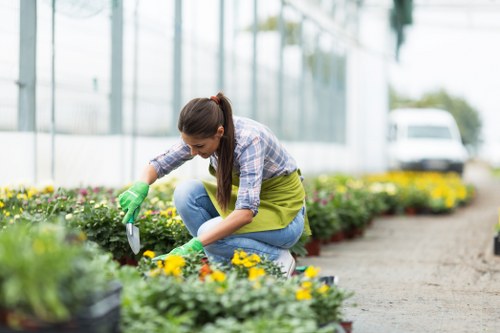 Partnerships with Charities and Community Reuse — Instead of sending reusable items to landfill, we partner with local charities and social enterprises that accept garden furniture, pots, tools and reclaimed timber. These alliances provide second-life pathways for still-useful items and support community projects. As a Gardener in Neasden, we coordinate donation pickups and prepare items to the standards required by charity partners, expanding the circular economy in the neighbourhood.
Low-Carbon Vans and Fleet Sustainability
Our fleet strategy emphasises low-carbon vans and the gradual replacement of diesel vehicles with electric and hybrid options. We operate a mix of battery-electric vans for short urban runs and hybrid vehicles for heavier loads. Charging infrastructure is prioritised at depots and we schedule collections to maximise battery efficiency. These measures cut CO2 emissions and help us meet London-wide transport and air quality objectives while maintaining reliable gardener services in Neasden.Practical steps we take include routine vehicle maintenance to preserve fuel efficiency, driver training for eco-driving, and using modular trailers to reduce trips for bulky green waste. Combined with the borough approach to waste separation, this reduces the carbon intensity per tonne of waste handled by our teams.
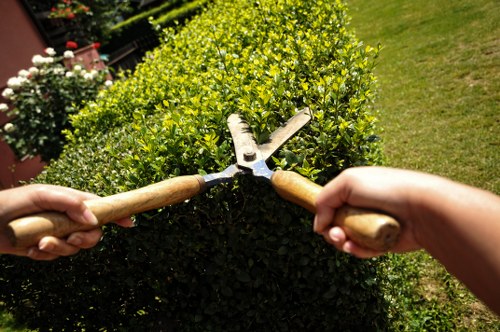
Sustainable Rubbish Gardening Area — Design and Operations
Creating a sustainable rubbish gardening area means setting up dedicated zones for composting, chipping, wood storage and hazardous material containment. In small urban plots we use sealed composting units for food and garden scraps, wormeries for kitchen peelings, and rotary composters for seasonal green waste. For larger properties and communal gardens, we design sheltered chipping bays and secure storage for reusable materials, plus labelled containers to maintain clear streams for recycling and reuse.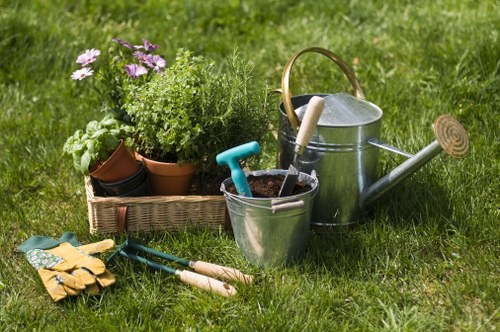 Community Programs and Behavioural Change Our work extends into the community: we run awareness initiatives to encourage residents to separate garden waste at source, offer seasonal leaf and twig collection drives aligned with borough leaf-clearing schedules, and promote reuse through swap days and charity drop-offs. By engaging neighbours and tenants, a Neasden gardener can play a pivotal role in shifting everyday habits toward lower-waste gardening practices, making the whole area greener and cleaner.
Monitoring Progress and Reporting
Tracking progress toward the recycling percentage target involves routine audits, tonnage reporting from transfer stations, and indicators for vehicle emissions. We aggregate data each quarter and publish concise sustainability summaries for stakeholders and partners. Continuous improvement cycles help refine collection routes, update on-site segregation solutions, and identify new charity partners for reuse pathways.Final note: Our approach to recycling and sustainability blends practical on-the-ground gardening practices with strategic partnerships, local transfer station use, and low-emission transport. Whether you are a homeowner working with a Neasden gardener or a communal garden manager, adopting these approaches supports a resilient, low-carbon future for local green spaces.
Commitment statement: We are dedicated to reaching and surpassing our recycling targets, strengthening charity partnerships, and expanding low-carbon van usage to ensure that gardening waste in Neasden becomes a resource rather than a burden.